

Leave Your Message
-
Contact Phone
-
 Contact Email
These days, with everyone super focused on health and safety, the demand for Disposable Gloves is through the roof. I came across a report from MarketsandMarkets that says the global market for these gloves could hit a massive $10.8 billion by 2025. That's a pretty solid growth rate of around 7.4% each year. It really highlights how important it is for businesses to choose their gloves wisely, you know?
Figuring out which OEM Wholesale Disposable Gloves to go for can feel a bit overwhelming with so many options out there. You've got to think about quality, what they're made of, and whether they’re practical for your needs. Especially if you're in healthcare or food service—you need gear you can really rely on. But honestly, I’ve seen plenty of companies struggle to find that sweet spot between cost and quality. That’s why understanding the ins and outs of glove specs is so important.
In this world where safety and compliance are such a big deal, wandering into uncharted territory can lead to costly mistakes. It’s super important for businesses to go beyond just picking a generic supplier—look for people with real expertise. That way, you can avoid mishaps that might cost a lot down the line, and also keep your employees and customers safe. Finding the right disposable gloves isn’t just about buying something—it’s about building trust and confidence in your supply chain, you know?
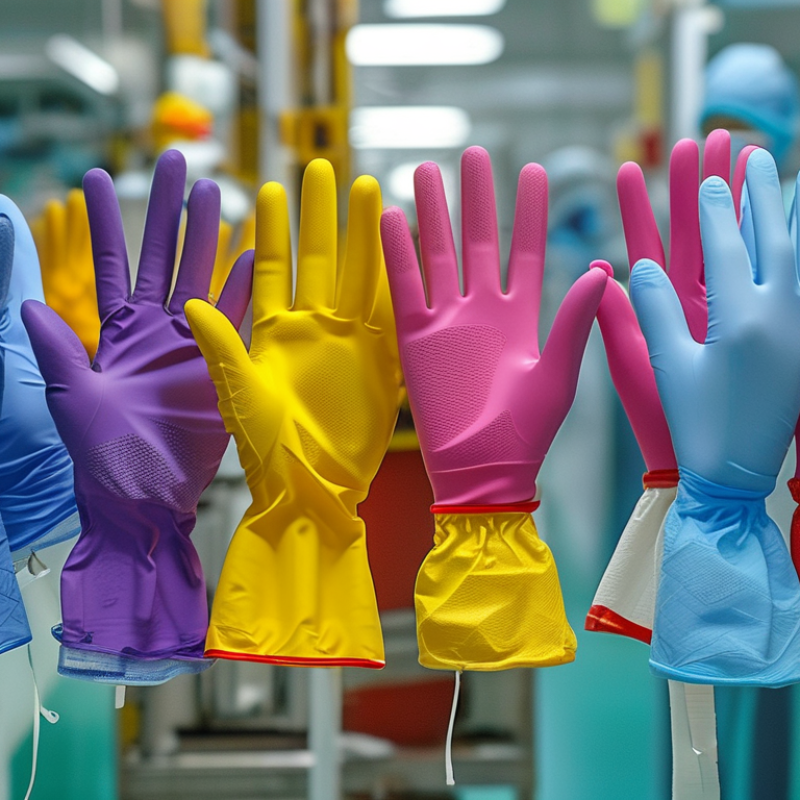
When choosing disposable gloves for your business, understanding the difference between OEM and generic options is crucial. OEM, or Original Equipment Manufacturer gloves, are made to specific guidelines set by a brand. They often feature high-quality materials and strict manufacturing standards. Generic gloves, on the other hand, may vary greatly in quality and standards. They often come at a lower price but can lack consistency in performance.
Choosing OEM gloves can mean higher costs initially, but they often offer better durability and protection, which can save money in the long run. Make sure your gloves meet industry standards. Examine the materials used in the production. Look for certifications that validate the glove's safety and effectiveness.
**Tips:** Always request samples before bulk ordering. This allows you to assess quality firsthand. Don't hesitate to ask manufacturers about their production processes and safety standards. Also, consider your specific needs. Different industries require different levels of protection. Finding the right fit can enhance safety and efficiency in your operations. Evaluate and reflect on what works best for your business.
Choosing the right material for disposable gloves is crucial for any business. Nitrile, latex, and vinyl are the three primary materials available. Each has unique properties that can affect comfort and functionality.
Nitrile gloves are known for their durability. They resist punctures and chemicals, making them suitable for various industries. Many prefer them for medical applications or cleaning tasks. This type of glove offers a snug fit, enhancing dexterity. However, some may find nitrile less comfortable for prolonged use.
Latex gloves provide excellent elasticity and comfort. They fit like a second skin and are a popular choice in healthcare settings. The downsides include a higher allergy risk for some users.
Vinyl gloves, on the other hand, are cost-effective but offer less protection and flexibility. They might tear easily and aren't ideal for high-risk situations. Evaluating these options requires careful consideration of your specific needs and tasks at hand. Disposable Exam Gloves can meet various requirements, but the choice depends on balancing comfort, safety, and cost-effectiveness.
When selecting OEM wholesale disposable gloves, safety standards are paramount. One crucial element is certification. Understanding the various approval levels can guide your decision-making process. The FDA sets strict guidelines for medical-grade gloves. It's essential to ensure that your bulk purchasing meets these standards. Look for gloves labeled as FDA approved for added assurance of their safety and effectiveness.
Beyond FDA approval, consider other certifications. Some gloves may have additional ratings that address specific industry needs. For example, gloves compliant with ASTM standards offer insights into their durability and resistance to various chemicals. Not all manufacturers adhere to these standards, which can lead to variability in product quality. Always verify the certifications provided by the supplier. This diligence ensures that your business gets the best Disposable Gloves Bulk.
Quality control processes are another aspect to evaluate. Some brands may claim adherence to safety ratings without substantial evidence. Ask for documentation that illustrates their compliance with safety protocols. Reflecting on these details can be challenging, but it is crucial for maintaining a safe work environment. Your choice of disposable gloves can have significant implications for health and safety.
When analyzing cost-effectiveness for OEM wholesale disposable gloves, bulk pricing often presents a tempting choice. However, evaluating quality alongside cost is crucial. Low-priced gloves may lack durability, which could lead to increased waste and replacement costs. It’s essential to weigh the potential savings against the risks of using inferior products.
Tips: Always request samples before making bulk purchases. Testing the gloves for puncture resistance and overall comfort can save you headaches later on.
Moreover, consider the material type and thickness. Thinner gloves could provide cost savings, but they may not offer adequate protection or longevity. Relying solely on price can be misleading. Quality assurance from manufacturers enhances reliability, which is invaluable in high-stakes environments.
Tips: Look for certifications and manufacturing standards when evaluating a supplier. This ensures adherence to safety practices and product consistency.
Choosing the right OEM partner for wholesale disposable gloves is crucial. Identifying reliable suppliers can make or break your business. You need partners who understand
quality, price, and service.
Look for manufacturers with a solid track record. Check their experience in the industry. A long history often reflects reliability. Make sure they have certifications. This indicates adherence to safety standards.
Tips: Ask for samples. This will help you assess the quality of their
Disposable Gloves Long before making a larger commitment. Communication is also key. A responsive supplier shows dedication to their clients.
Evaluate their production capabilities. Do they meet your demand? Assess their ability to deliver on time. Late deliveries can affect your business negatively. Trust your instincts and keep backups. Having alternatives is always a wise strategy when navigating supplier reliability.
The demand for eco-friendly disposable gloves is rising. Many businesses are looking for sustainable options. This shift is driven by consumer awareness and environmental concerns. Eco-friendly gloves reduce plastic waste and minimize chemicals.
Several materials are now being used to produce these gloves. Natural latex, nitrile, and biodegradable polymers are popular choices. This variety allows businesses to choose products that align with their sustainability goals. However, many companies face challenges when sourcing these eco-friendly alternatives. Availability and higher costs can be deterrents.
Understanding the market trends is crucial. Industry reports show that eco-friendly products are increasingly preferred by consumers. Businesses must adapt to these changes. It's essential to educate your team about the benefits of eco-friendly gloves. Yet, there is no perfect solution yet. Continued focus on innovation is necessary in this area.
When selecting OEM wholesale disposable gloves, customization is key. Many businesses require gloves tailored to their specific needs. Designing gloves with unique features can enhance safety and comfort during use. It is essential to consider materials, sizes, and styles that fit your industry.
Choosing the correct material for your Long Disposable Gloves is crucial. Some industries need thicker gloves for protection, while others prioritize flexibility. You can opt for latex, nitrile, or vinyl, depending on your target audience’s preferences. Also, think about colors and textures. A textured grip can provide better handling, especially in slippery conditions.
Tip: Always request samples before making a bulk order. Testing the fit and feel of gloves can expose any flaws.
Customization options also extend to branding. Adding your logo or color scheme can strengthen your brand identity. However, make sure that customization does not compromise functionality. Consumers today expect both quality and reliability.
Tip: Evaluate customer feedback on customized gloves. This can guide future design improvements.
: The three primary materials are nitrile, latex, and vinyl. Each has unique characteristics.
Nitrile gloves are durable, resistant to punctures and chemicals, making them suitable for medical and cleaning tasks.
Some users find nitrile gloves less comfortable for extended use.
Latex gloves offer great elasticity and comfort, fitting snugly like a second skin, particularly in healthcare settings.
There is a higher allergy risk for some users when using latex gloves.
Vinyl gloves are cost-effective but less protective and flexible. They may tear easily in high-risk situations.
Customization helps enhance safety and comfort, ensuring gloves meet specific industry needs.
They should focus on materials, sizes, colors, and styles that align with the needs of their target audience.
Testing gloves helps identify any flaws in fit and feel, ensuring customer satisfaction and reliability.
Evaluating feedback can guide improvements, balancing quality and functionality in future designs.
When selecting the best OEM wholesale disposable gloves for your business, it is crucial to understand the differences between OEM and generic options. Key factors to consider include the materials used—nitrile, latex, and vinyl—each offering distinct properties suited to various applications. Additionally, evaluating certification standards like FDA approval can ensure safety and compliance with health regulations.
Cost-effectiveness is another important aspect, as comparing bulk pricing with glove quality can greatly impact your budget. Identifying reliable suppliers involves looking for key indicators of a good OEM partner, which fosters a trustworthy business relationship. As industry trends shift, the demand for eco-friendly gloves is on the rise, prompting businesses to consider sustainable options. Finally, exploring customization possibilities allows companies to design disposable gloves tailored to their specific needs, enhancing their overall business strategy.