
Leave Your Message
-
Contact Phone
-
 Contact Email
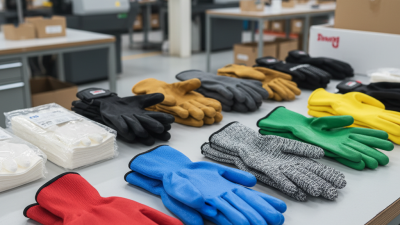
Picking out the right gloves can actually be pretty tricky, especially when you're looking at options like Chloroprene Gloves. They’ve got this cool mix of being flexible yet sturdy, which makes them super popular across all sorts of fields—from hospitals to kitchens. Honestly, it’s all about figuring out what really matters most to you.
When you're checking out Chloroprene Gloves, think about what you actually need. Are you after something that can handle rough use? Or maybe chemical resistance is your top priority. Not all gloves are the same, and if you pick the wrong ones, you might end up with discomfort—or worse, safety issues. Experts often recommend trying out a few different brands—sometimes trial and error is the best way to find your perfect fit.
Don't forget to pay attention to little details like thickness, texture, and even length. Some folks say thinner gloves give better feel, but they might not offer as much protection. Others swear by thicker gloves for that extra peace of mind. Honestly, your personal experience matters more than anything else here, so go with what feels right for you. Making an informed choice that really fits your needs is the way to go, rather than just settling for the first option you see.

Chloroprene gloves offer numerous advantages due to their unique properties. They are made from a synthetic rubber that is durable and flexible. This flexibility allows for better dexterity, which is crucial in many tasks. Whether you're in healthcare or cleaning, these gloves can enhance your performance. They resist punctures and chemicals, making them suitable for varied applications.
Chloroprene is also latex-free. This is important for those with latex allergies. As such, chloroprene gloves provide a safe alternative for sensitive individuals. Their non-allergenic nature is a significant benefit. They are also resistant to heat and degradation, allowing them to last longer than many alternatives.
However, it's essential to note that not all gloves are created equal. Some may not provide adequate grip or may tear under stress. Choosing the right glove involves careful consideration of their intended use. Always ensure the gloves fit well. Tight or loose fitting can hinder performance. In some situations, mixing chloroprene with other materials, like Gloves Nitrile, may provide additional benefits, enhancing comfort and safety.
Chloroprene gloves are essential in various industries, particularly in healthcare and manufacturing. They offer excellent protection and comfort. In the medical field, these gloves serve as the standard barrier against contaminants. They are latex-free, reducing allergy risks for many professionals. Medical workers rely on these gloves for procedures and examinations, ensuring both safety and dexterity.
In laboratories, chloroprene gloves are equally vital. Their chemical resistance is crucial for handling hazardous substances. Scientists frequently use them during experiments to avoid skin contact with harmful agents. Yet, it's important to evaluate the glove's thickness and fit. Thicker gloves provide better protection but may reduce sensitivity. Finding the right balance is key for effective use in critical tasks.
Manufacturing environments also demand durable gloves. Chloroprene gloves can withstand wear and tear, making them suitable for assembly lines. Workers need reliable hand protection while maintaining their grip on tools. However, some may find them less breathable than alternatives. It's essential to choose gloves that match the specific requirements of the job. This careful consideration can enhance both safety and productivity.
When selecting chloroprene gloves, thickness and durability are key factors. The gauge of the gloves can impact their strength and flexibility. Thicker gloves offer enhanced protection, making them ideal for high-risk environments. However, increased thickness may reduce dexterity. It's essential to find a balance that meets your specific needs.
Durability is another crucial element to consider. A glove that breaks or tears easily won't provide the protection you require. Evaluate the materials used in production. Cheaper gloves may sacrifice quality for cost, leading to disappointments in performance. A heavy-duty option may offer better longevity but might feel stiff or bulky.
Testing a few different gauges can help. Some may find thinner gloves more comfortable, allowing for better maneuverability. Others might prefer the added security of thicker options. It's about personal preference and the tasks at hand. Always reflect on your experiences with various gloves. What worked? What didn’t?
When selecting chloroprene gloves, understanding their chemical resistance is essential. Chloroprene offers good protection against various chemicals, but not all formulations are created equal. For instance, a study by the National Institute for Occupational Safety and Health (NIOSH) highlights the effectiveness of chloroprene against a wide range of solvents. The findings show that chloroprene maintains integrity when exposed to chemicals like acetone or toluene. Such information is critical for industries dealing with these substances.
In contrast, when looking at alternatives, such as Pvc Hand Gloves, the level of protection varies significantly. PVC gloves may not offer the same resistance to certain organic solvents that chloroprene does. This difference is pivotal for professionals who handle harsh chemicals. A report from the American Society of Safety Professionals suggests that the mismatch can lead to employee exposure and potential safety hazards.
It's also worth noting that comfort and fit play a role in choosing the right gloves. Even the highest-rated chloroprene gloves may fail safety standards if they don't fit properly. Regular assessments and comparisons of glove materials are necessary to ensure ongoing protection in the workplace. Manufacturers must keep updating their material specifications to stay in line with evolving safety protocols.
Choosing the right chloroprene gloves is crucial, especially when it comes to sizing and fit. Proper glove fit significantly affects safety and functionality. Ill-fitting gloves can compromise grip and dexterity, leading to accidents. A snug fit offers better control while working, reducing the risk of slippage.
To ensure the best fit, measure your hand. Use a tape measure around the widest part of your palm. This helps in finding the right size. When trying on gloves, make sure they allow for movement without being too loose. A pair that pinches or restricts movement isn’t suitable.
Here are a few tips for selecting the right gloves:
- Check for adequate finger length. Your fingertips should barely touch the glove’s end.
- Look for wrist coverage. Gloves that fit well at the wrist can prevent debris from entering.
- Don't hesitate to try different sizes. Sometimes, a larger glove may feel more comfortable for extended wear.
Remember, a comfortable glove empowers you to work efficiently. Reflect on your choices to find the perfect match for your needs.
When selecting chloroprene gloves, understanding compliance standards is crucial. ANSI and ASTM ratings provide valuable insights into quality and safety. ANSI (American National Standards Institute) and ASTM (American Society for Testing and Materials) establish guidelines for protective gear. They ensure gloves meet specific performance criteria, making them suitable for various applications.
The ASTM D6319 standard, for instance, evaluates glove puncture resistance and chemical durability. A higher rating indicates better protection. Pay attention to these ratings when choosing gloves for tasks involving harsh chemicals or potential hazards. Not all gloves will perform equally, and a lower-rated option may fail under pressure.
Consider also the fit and sensitivity. A glove that is too loose can compromise dexterity, while a tight glove may lead to discomfort. Finding the right balance is essential. Explore options that fit well but are still easy to put on and take off. Sometimes, evaluating choices can be overwhelming. Don't hesitate to seek guidance. Your safety depends on those small details, such as the type of gloves you pick from the Exam Gloves Box.
| Feature | ANSI Rating | ASTM Rating | Chemical Resistance | Dexterity |
|---|---|---|---|---|
| Textured Surface | A3 | D7320 | Excellent | High |
| Thickness (Mil) | A4 | D6319 | Good | Medium |
| Size Availability | A5 | D6978 | Variable | High |
| Length (Inches) | A6 | D6121 | Excellent | Very High |
| Powder Free | A7 | D5730 | Good | High |
When selecting chloroprene gloves, sustainability is a vital consideration. Traditional latex and nitrile gloves contribute to significant waste. According to industry reports, about 200 billion disposable gloves end up in landfills annually. This waste significantly impacts our environment. However, eco-friendly chloroprene options are emerging. These are designed to minimize environmental harm while maintaining high performance.
Many manufacturers are now producing chloroprene gloves using renewable resources. They focus on reducing carbon footprints and improving biodegradability. According to a recent sustainability study, eco-friendly gloves can reduce waste by about 30% compared to standard options. This shift not only supports environmental health but also encourages responsible consumer choices.
Tips for choosing eco-friendly chloroprene gloves: always look for certifications that indicate sustainable practices. Check if the gloves are made from biodegradable materials. Read customer reviews to gauge durability and effectiveness. Regularly assess the balance between performance and your commitment to sustainability. It’s essential to reflect on how personal usage impacts the larger ecological picture. As demand for eco-friendly options grows, the market may evolve, but consumers play a crucial role in driving that change.
When it comes to food handling, the choice of gloves plays a crucial role in maintaining safety and hygiene. Disposable vinyl gloves, particularly food-grade options, are an excellent choice for both professional and home kitchens. These gloves are designed to provide reliable protection while ensuring that no harmful substances are transferred to food. According to a report by the Food Safety and Inspection Service (FSIS), proper use of disposable gloves can significantly reduce the risk of foodborne illnesses, underscoring their importance in food safety practices.
Sourced from trusted suppliers, high-quality disposable vinyl gloves meet stringent food safety standards. They are crafted to be non-toxic and odor-free, providing peace of mind as they do not compromise food quality. The rigorous testing that these gloves undergo ensures they remain effective barriers against contamination. This aligns with findings from the World Health Organization (WHO), which states that the use of safe food handling practices, including protective equipment like gloves, is vital in preventing microbial hazards during food preparation.
Moreover, the ergonomic design of these gloves allows for ease of use, offering a comfortable fit that supports dexterous tasks in the kitchen. As the food industry continues to prioritize health standards, the adoption of safe, reliable disposable vinyl gloves becomes an essential practice for anyone involved in food handling, ensuring that both health and hygiene are at the forefront of their culinary experiences.
: Chemical resistance is key. Not all gloves perform the same against chemicals.
Chloroprene offers better resistance to many organic solvents than PVC gloves.
A poor fit can compromise safety. A loose glove reduces dexterity, while a tight one causes discomfort.
They’re compliance standards that assess glove safety and quality. Higher ratings indicate better protection.
Regularly check the ratings and specifications. Update your selections based on evolving safety protocols.
It evaluates glove puncture resistance and chemical durability, ensuring gloves are reliable for use.
Yes, uncomfortable gloves may lead to improper use, affecting safety in critical tasks.
Seek guidance or consult safety experts for help in selecting the right gloves.
Regular assessments are essential to ensure ongoing protection and compliance with safety standards.
No, always choose gloves based on their specific resistance ratings for the chemicals you handle.
When choosing the best chloroprene gloves for your needs, it is essential to understand the properties and benefits of chloroprene material. These gloves offer excellent elasticity, dexterity, and resistance to various chemicals, making them suitable for a range of applications in industries such as healthcare, food handling, and manufacturing. Evaluating the thickness and durability of the gloves is crucial, as the right gauge will provide the necessary protection without compromising comfort.
Additionally, assessing the chemical resistance of chloroprene gloves is vital to ensure they match the specific chemicals you may encounter in your work. Proper sizing and fit are also critical for safety, as gloves that do not fit well can lead to accidental exposure or decreased functionality. Compliance standards, such as ANSI and ASTM ratings, help ensure that the gloves meet safety regulations. Lastly, considering sustainability options can lead to eco-friendly choices in chloroprene gloves, supporting environmental health while ensuring effective protection.